
Stop the Spread of Poo-llution
Dog waste is high in nitrogen, phosphorus, and pathogens. It can pollute nearby waterbodies where we fish, play, and get our drinking water.
Dog waste pollution is a significant problem in our communities. Not only does it stink up the neighborhood and make it unpleasant to spend time outside, but it is also harmful to the environment and public health.
Dog waste can contain over 65 diseases that can be transmitted to other dogs and even us. The nitrogen and phosphorus in dog waste can lead to overgrowth of algae blooms in nearby waterways, which can deplete water oxygen levels and lead to reductions in fish populations.
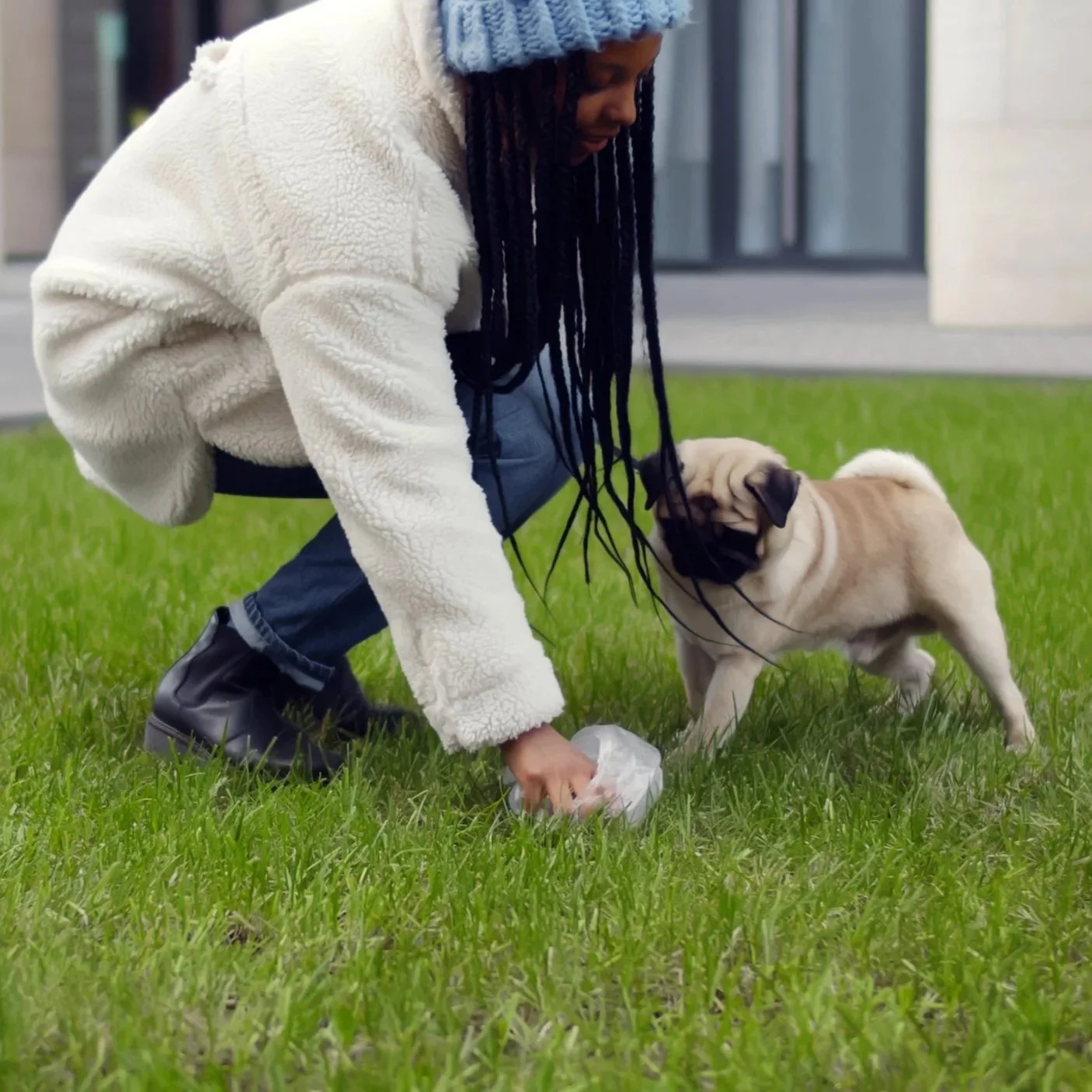
Whether in your yard or on the trail, use scoopers or no-touch bags and be sure to throw them in the trash.
Impacts on Water Quality
Dog waste significantly harms water quality by introducing bacteria, parasites (like Giardia, E. coli, Roundworms), and excess nutrients (nitrogen, phosphorus) into waterways via rain runoff or improper disposal, leading to oxygen depletion (harming fish), harmful algal blooms, cloudy water, and potential human illness, making it a major source of nonpoint source pollution.
BE PAWSOME!
Bring at least 3 dog waste bags per dog with you on every walk.
Keep your dog on leash until their business is done to make clean up easy to reach.
Use a leash attachment to hold the used bag so you have both hands open to love and play with your dog.
Be prepared to bring your dog waste home to throw away if the site doesn’t have trash cans. Keep a container with a tight seal and some baking soda in it to have a pleasant drive home.
Featured Local Shelters in Cumberland County
Animal Refuge League of Greater Portland (Westbrook) An adoption and rescue organization providing care for over 4,000 animals annually. They offer dog adoptions, foster programs, and community resources.
Maine Lab Rescue (Windham) – Focuses on retrieving and rehoming Labrador Retrievers and mixes.
The Pixel Fund (Gorham) – A volunteer-run rescue that pulls dogs from high-kill shelters to find them forever homes in Maine.
Cleaning up after your dog is one of the most impactful things you can do to be a responsible pet owner and a good neighbor. Beyond keeping sidewalks and parks clean, picking up pet waste is a critical public health measure. Dog waste can carry diseases and parasites—like E. coli and Giardia—that are harmful to other pets and humans.
Pet waste is a major pollutant; when left on the ground, rain washes it into local waterways where the high levels of nitrogen and phosphorus can trigger toxic algae blooms and deplete oxygen levels.
Always carry a few extra bags and dispose of them in a trash can. Cleaning up after your pup helps protect local waterbodies and keep Maine’s beautiful outdoor spaces safe for everyone to enjoy.
Pro-Tips
The "Rule of Three": Always bring at least 3 bags per dog on every walk. Bags can sometimes tear, or your dog might surprise you with an "extra" stop.
Leash First: Keep your dog on a leash until they have finished their business. This makes it much easier to locate and reach the waste for cleanup, especially in tall grass or snow.
Know Before You Go: Check if your favorite local park or trail has trash cans. If not, be prepared to pack waste to throw away at home.
Dog Waste Surveys
The Cumberland County Soil & Water Conservation District, in partnership with the New England Environmental Finance Center and Bates College Purposeful Work internship program, is conducting a five-year survey of Greater Portland and Saco dog parks and trails to better understand the environmental impacts of our pets. Track the status of your favorite trails and parks with our annual survey reports and project story map below.